Venue Sourcing: Indoor Convention Centers vs. The Glamour of Outdoor Gardens.
Choosing between an indoor convention center and an outdoor garden is one of the most consequential decisions in event planning. In Nairobi, both options offer distinct advantages, but each comes with a unique set of logistical demands that can significantly impact execution. Understanding these nuances—from load‑in schedules to weather contingencies—ensures that the chosen venue aligns with the event’s goals, guest experience, and operational feasibility.
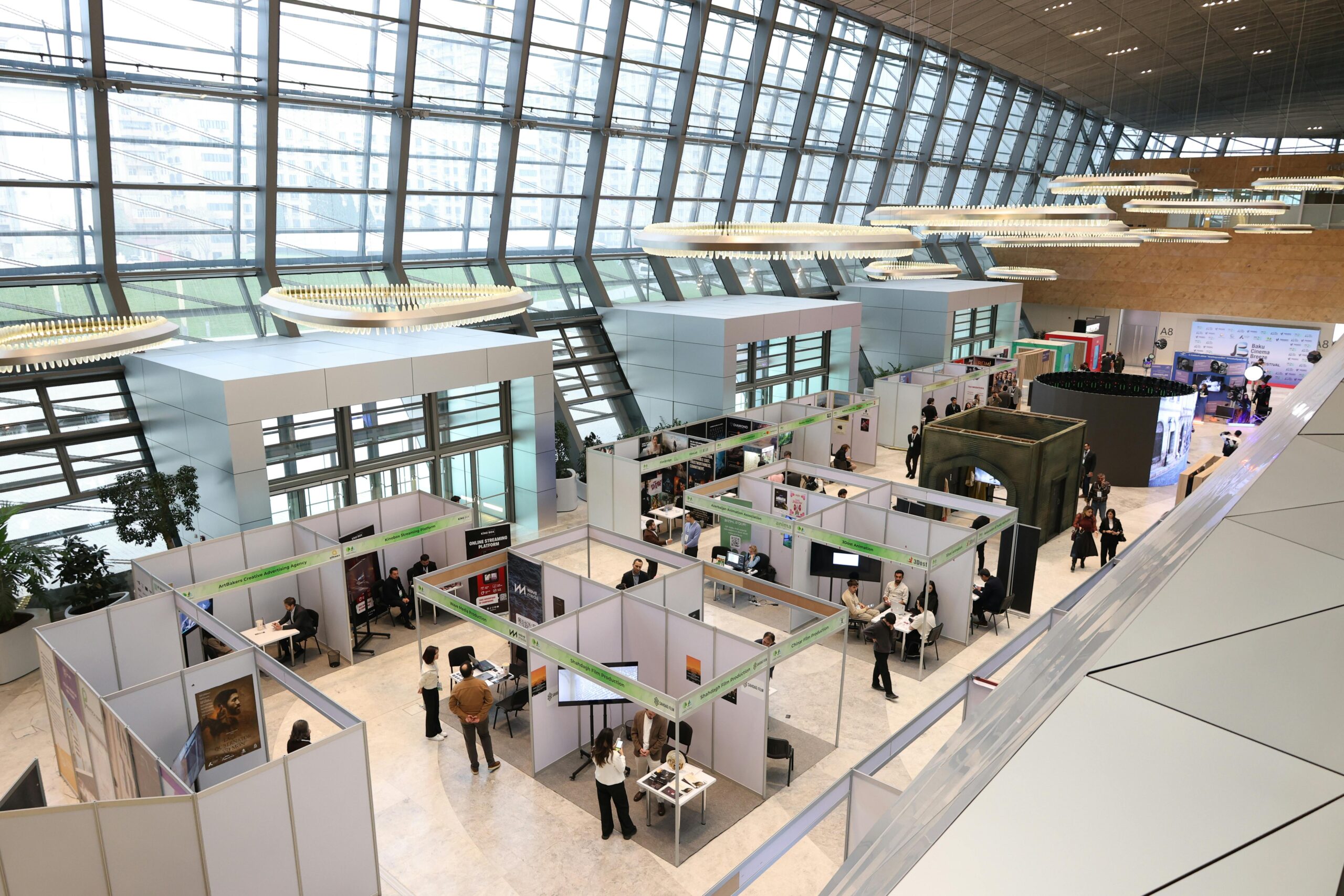
Indoor venues such as the Kenyatta International Convention Centre (KICC) , Sarit Centre, and Safari Park Hotel are prized for their controlled environments and robust infrastructure. However, their logistical constraints require meticulous planning. Load‑in times at these venues are often strictly regulated; for instance, KICC and Sarit Centre typically restrict access to service elevators and loading bays to early morning or late night hours, making it essential to coordinate with vendors well in advance. Noise restrictions are another critical factor—indoor venues located within mixed‑use developments or residential neighborhoods often impose decibel limits and cutoff times for amplified sound, which directly affects entertainment schedules. Power supply, while generally reliable, should still be audited; large conventions may exceed the venue’s capacity, necessitating backup generators or additional distribution boards to avoid disruptions during peak moments.
Outdoor gardens, by contrast, offer an unmatched aesthetic appeal and a sense of openness that indoor spaces cannot replicate. Venues like Windsor Golf Hotel & Country Club, Ngong Racecourse, and the numerous private gardens in Karen provide lush backdrops ideal for weddings, galas, and brand activations. Yet their charm comes with heightened exposure to Nairobi’s unpredictable weather. A comprehensive weather contingency plan is non‑negotiable; this includes securing a tenting structure that can withstand sudden downpours or intense midday sun, with sidewalls and flooring designed to accommodate both formal dining and casual mingling. Tenting itself involves logistical coordination—installation typically requires a full day before the event, and planners must confirm load‑in access for heavy trucks, especially in Karen where narrow driveways can limit vehicle movement. Portable sanitation is another essential consideration; while venues like Windsor offer permanent restroom facilities, many private gardens and racecourses require supplementary luxury portable toilets to maintain guest comfort during peak hours.
Ultimately, the choice between indoor and outdoor venues hinges on the event’s priorities. Indoor convention centers excel in scalability, technical reliability, and weather‑proof execution, making them ideal for large conferences, trade shows, and formal corporate functions. Outdoor gardens deliver a distinctive ambiance and versatility for creative setups, provided planners invest in robust tenting, power backups, and sanitation infrastructure. By thoroughly assessing load‑in windows, noise policies, and environmental risks, event organizers can confidently select a venue that balances aesthetic vision with operational reality.